
Consumer Electronics
-

QLED vs QNED: What’s the Difference?
When two TVs side-by-side cost the same, Samsung and LG could also have boxes with nearly identical contents written in different words. This could mislead consumers into thinking the extra letter or fancier-sounding name means a better image quality. When comparing the QLED to QNED televisions, however, both terms actually refer to backlit LCD TVs that utilize the same technology,…
Read More » -
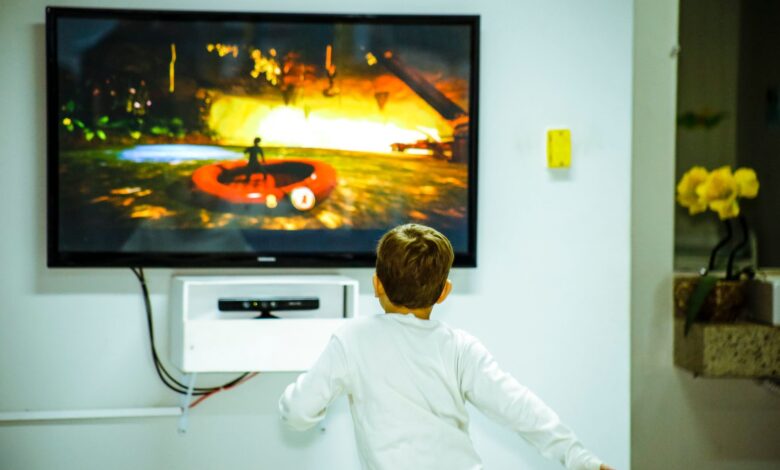
LED vs OLED TVs: What’s the Difference?
An OLED model is likely to produce a better picture quality for nighttime viewing where the room is dark or when lower light levels are used on the screen; however, in situations where the OLED would be subject to sunlight and/or other sources of illumination from lamps throughout the day, an LED TV could still provide a superior picture. Many…
Read More » -
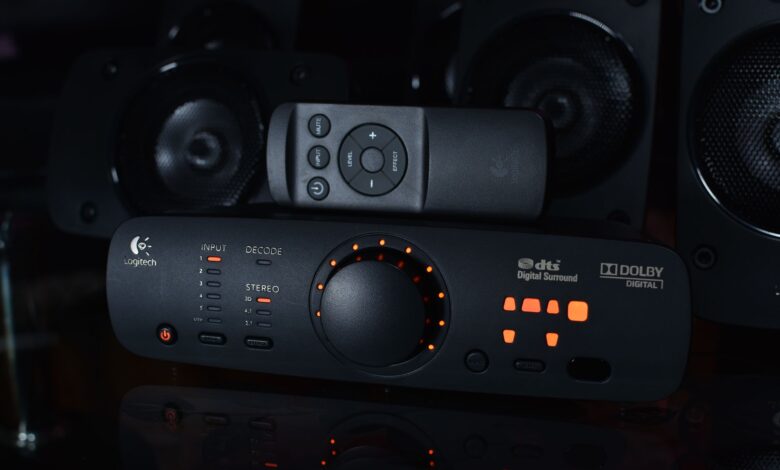
Dolby Vision TV: What Is It and Is It Worth It?
A Dolby Vision television provides more value when purchased with lower-priced and lower-quality televisions; however, a higher-priced and higher-quality television may not benefit as much from a Dolby Vision image (for example, a very bright and high-quality television). This is because the Dolby Vision standard consists of instructions on how to display different scenes, and since most of the detail…
Read More » -
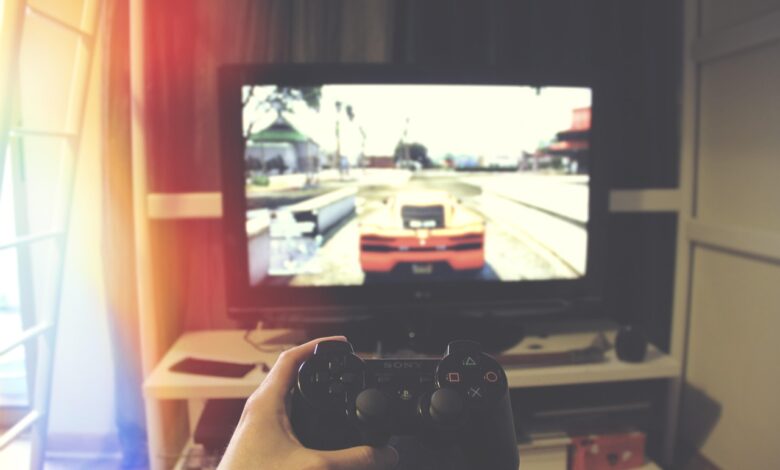
How Many Watts Does a TV Use?
On average, most televisions sold today consume approximately 25-180 watts during use; depending on the television’s screen size, the exact wattage can vary widely. A typical mid-range 55-inch model will consume approximately 100 watts. When powered down via remote control, ENERGY STAR rated televisions will use no more than 1 watt. The above-mentioned figures refer specifically to median on-mode wattage…
Read More » -

UHD vs OLED TV: What’s the Difference?
UHD describes how many pixels a TV has while OLED describes how each of those pixels actually produces light. Therefore, both terms are describing different things; every TV can either be an OLED or UHD TV. Most TVs available now are both OLED TVs and UHD TVs. The confusion comes from the way some manufacturers sell their televisions. For example,…
Read More » -
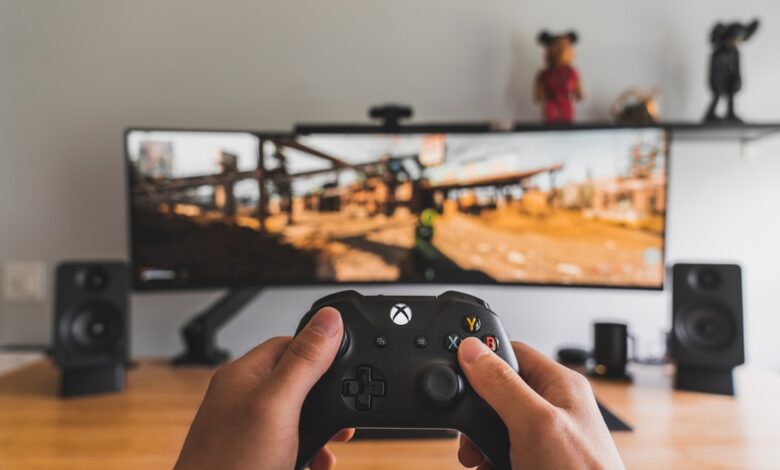
120Hz or 60Hz TV: Which Refresh Rate Is Better for You?
A 120Hz television refreshes the image twice as frequently as a 60Hz television; however, unless something is providing extra frames for a 120Hz TV to utilize, the extra refresh rate is not very helpful for the average user. Most of what you will view will not have this additional frame rate: movies come in at 24 fps; American sporting events…
Read More » -

4K HDR TV: What HDR Does and Why It Matters
A TV can meet the industry’s own criteria for HDR displays even if it doesn’t achieve a target brightness or contrast level. The label on the box indicates that the set can decode an HDR signal, but it does not indicate that the picture will look different with an HDR signal. Consumer Technology Association published definitions for HDR are limited…
Read More » -

4K TV for PS5: What Specs Do You Actually Need?
Most of the time, a 4K TV is able to display a PS5 image to the viewer. There are a few features that will affect how the image looks; specifically, the features are: a 4K screen, a screen with a refresh rate of 120 hertz, a fast enough input for carrying the signal, and a mode that keeps input lag…
Read More » -

Mini-LED vs QLED: What’s the Difference?
Mini LEDs and QLEDs are not competitors, but rather two different types of elements used in the creation of the same technology. Mini LEDs provide the brightness for the display, while QLEDs provide the colours that appear in front of the Mini LEDs. As stated in Hisense’s guide to television technology, Mini LEDs are used to create the light in…
Read More » -

QLED vs Neo QLED: What’s the Difference?
Neo QLED and QLED screens are essentially the same type of display; both types of TV utilize an LCD display with a quantum dot color filter, and their only structural difference is the type of lighting that is used to illuminate them. Samsung has stated this on its Neo QLED product information pages, where the company defines mini-LED as a…
Read More »