
Mobile Devices & Accessories
-
How to Choose a High-Capacity Portable Charger
In selecting the best large battery bank, you have to determine whether it has sufficient practical energy to recharge your devices, will charge them quickly enough for your needs, and is within the allowable battery requirements for travel by air; the answer will be no until you confirm all of those three factors against the actual model’s specifications. Typically, a…
Read More » -
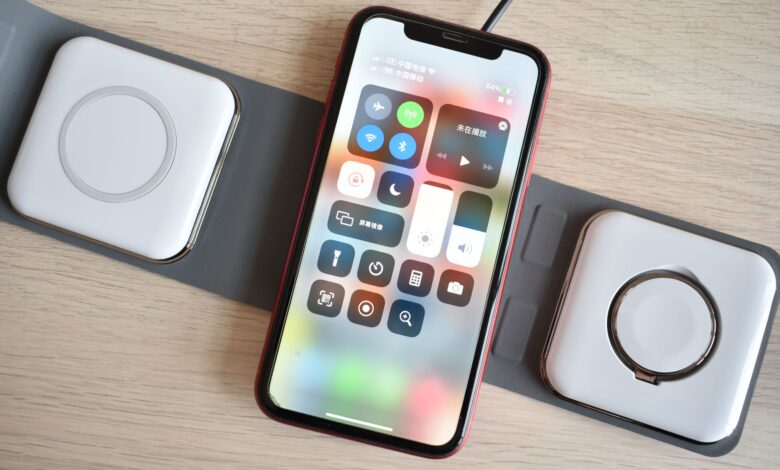
Anker 313 Wireless Charger Stand Review: Is It Worth Buying?
This Anker stand is a decent place to park your phone at night, but it isn’t the fast charger the box makes it sound like. Whether it’s worth buying depends less on the stand and more on the wall plug you already own. The official certification record for model A2524 lists a 5.0 W Basic Power Profile. The 7.5 W…
Read More » -
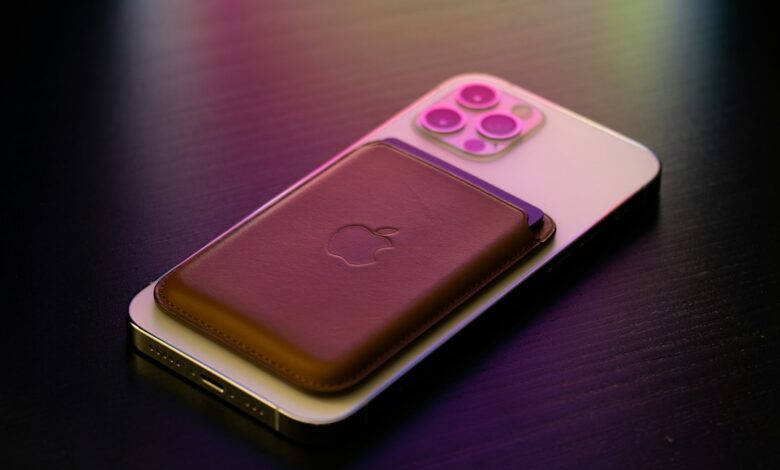
MagSafe Charger for iPhone 12: What You Need to Know
All iPhone 12 models are compatible with Apple’s magnetic charger, as well as many inexpensive third-party pucks. The speed at which an iPhone 12 charges will be determined by three factors – the model of iPhone 12 that you own, the type of charger you are using, and the power source you’re connected to. According to Apple, the maximum wireless…
Read More » -
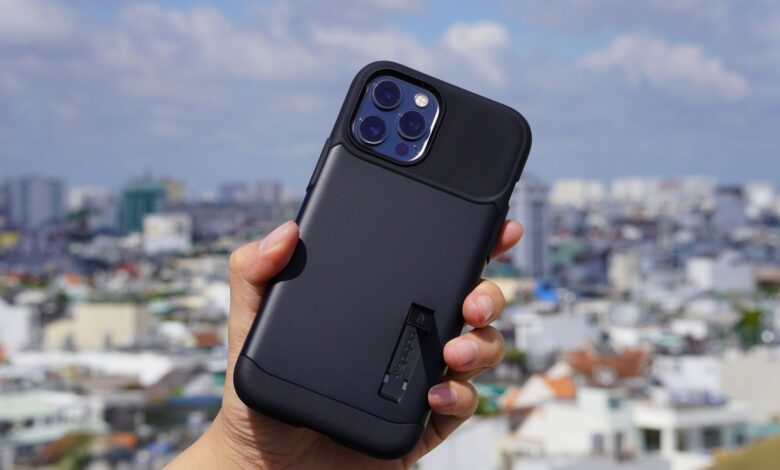
Spigen iPhone Case: Which One Is Best for You?
The best Spigen cases will vary based on the specific iPhone model you have, and what aspect of the iPhone annoys you most. Some of the things to consider are if you prefer a heavier phone in your pocket, slippery grip, clear back that discolor, or an accessory that requires magnets to work properly. Because there is no universal best…
Read More » -
Spigen iPhone Screen Protector: Is It Worth It?
The Spigen iPhone screen protector is a good choice if you are looking for a product that can be installed quickly and easily with optimal alignment, as well as having an extra sheet of film included in the box. However, if scratch protection is your primary concern, it is an inferior option. In fact, there appears to be a great…
Read More » -
eSIM vs Physical SIM: Which Is Better for Your Phone?
Neither format will give your phone a better signal – they both utilize the same credential that your carrier will verify before allowing your phone onto their network, and the main difference between the two formats is the method by which the credential is delivered to your phone (i.e., via a card that you insert into a tray, or via…
Read More » -
Why Is My Phone Battery Draining So Fast?
Your phone already has a list of the things that are draining your battery in a settings panel that most people never visit. Additionally, the category “fast” is not a number that you can search for; it is recorded as a comparison with how the device performed last week. That is why Apple’s battery-drain guidance tracks today’s usage alongside that…
Read More » -
Why Does My Phone Get Hot While Charging?
A warm phone on the charger is normal, and Apple is unusually blunt about it: after listing the moments a device is expected to feel warm, including wireless charging, its guidance says that if your device doesn’t display a temperature warning, you can keep using your device. The heat you feel is mostly the charging circuit doing its job, not…
Read More » -
Why Is My Phone Charging So Slowly?
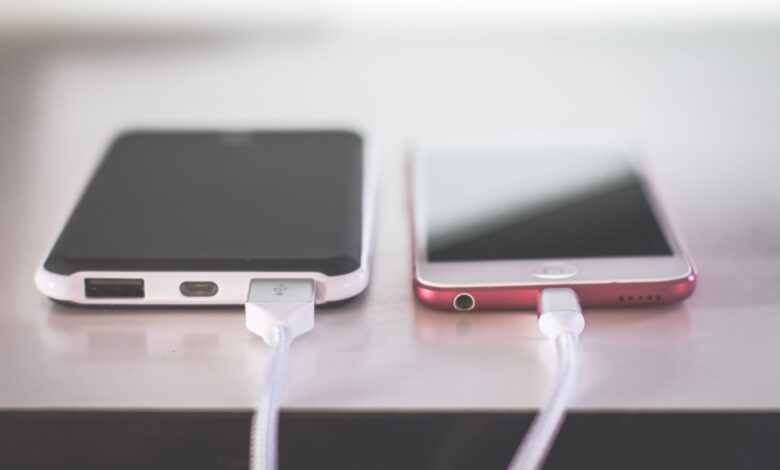
Your charger does not dictate the speed at which your phone will charge; rather, it is the phone that does so, generally requesting much less than the charger can deliver. When you plug the charger into your phone for the first time, the two devices negotiate briefly to agree on the voltage and current they will use to charge the…
Read More » -
Can You Use a USB-C Laptop Charger on a Phone?
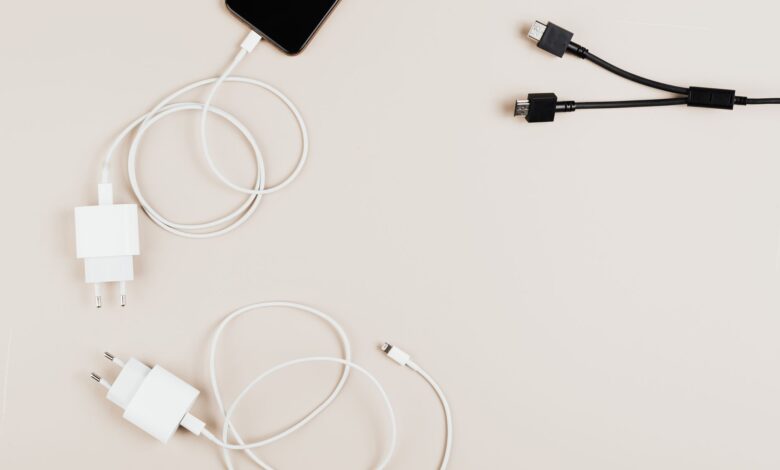
Yes, and as I’ve pointed out, it isn’t as risky as the Internet would have you believe. A USB-C charger cannot distribute power to a phone; rather, the phone requests power and the charger responds to request. The number on the charger is an upper limit, not necessarily an indication of how much power it will deliver. The real issue…
Read More »